Address
304 North Cardinal St.
Dorchester Center, MA 02124
Work Hours
Monday to Friday: 7AM - 7PM
Weekend: 10AM - 5PM
Address
304 North Cardinal St.
Dorchester Center, MA 02124
Work Hours
Monday to Friday: 7AM - 7PM
Weekend: 10AM - 5PM

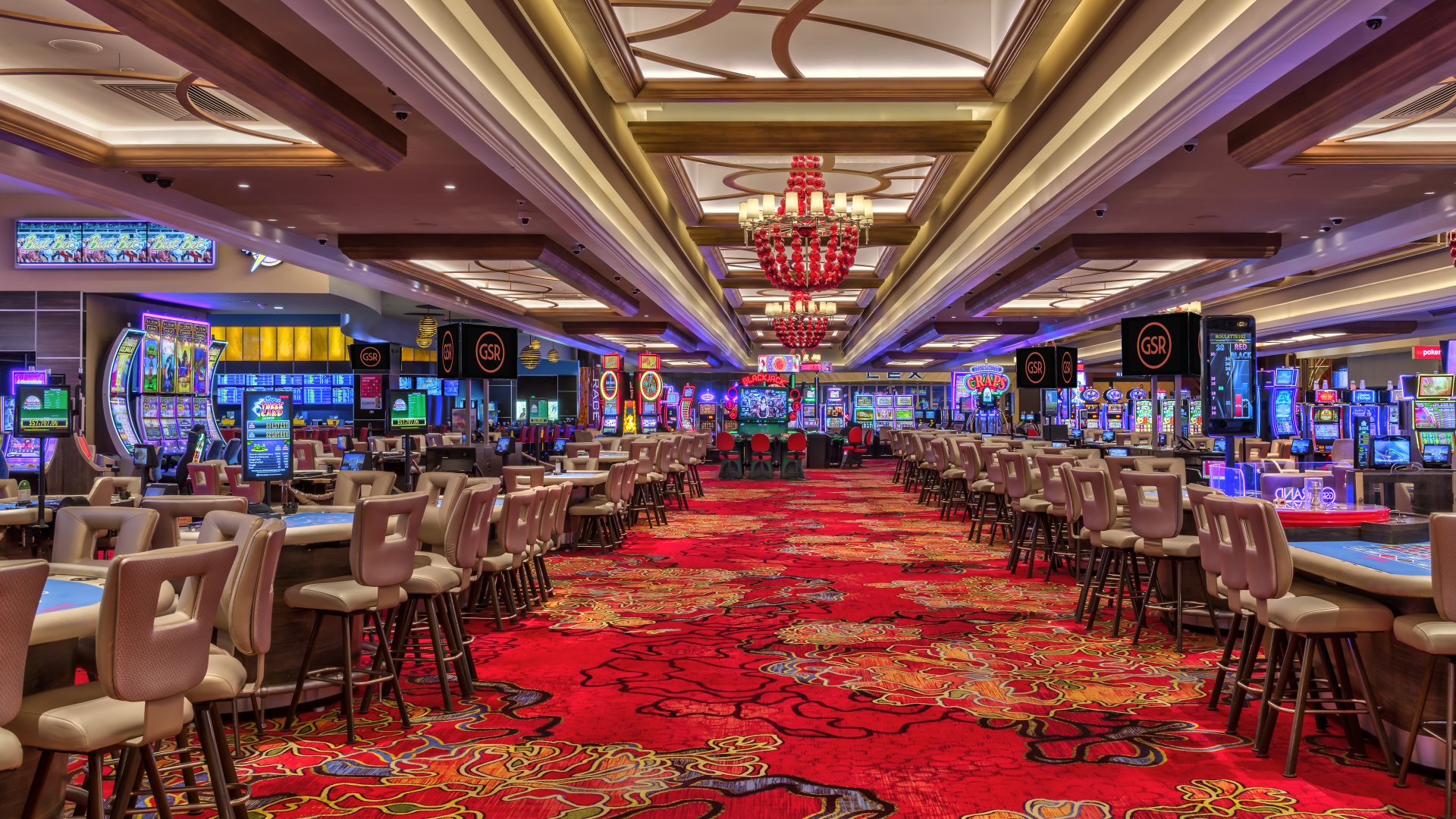
In recent years, online casinos have gained immense popularity, transforming the landscape of gambling. From the comfort of their homes, players can access a myriad of games ranging from classic table games to the latest video slots. The online casino industry is not just a local phenomenon; it’s a global affair that encompasses various cultures and regulations. This article explores online casinos worldwide, covering their evolution, regulation, and how the emergence of online casinos worldwide international society non gamstop casinos has changed the game for players everywhere.
The journey of online casinos began in the mid-1990s, and they have come a long way since then. The first online casino, InterCasino, was launched in 1996, paving the way for others to follow. As internet access became more widespread and technology evolved, online casinos started to offer an increasingly sophisticated gaming experience. With the advent of mobile gaming and live dealer options, players can now enjoy a seamless gaming experience on the go.
Technology has played a crucial role in shaping the online casino landscape. Advanced software providers like Microgaming, NetEnt, and Playtech have revolutionized game development, ensuring high-quality graphics and immersive gameplay. Additionally, the rise of cryptocurrencies has introduced a new layer of security and anonymity for players, making transactions quicker and safer. This technological evolution not only enhances the gaming experience but also attracts a broader audience.

One of the key aspects of online casinos is the regulatory environment in which they operate. Regulations vary greatly from country to country, which can significantly affect the availability and legality of certain casinos. In places like the United Kingdom, online gambling is heavily regulated by the UK Gambling Commission, ensuring consumer protection and fair play. Conversely, in regions where gambling is less regulated, players may find a wider variety of options but also face increased risks.
Choosing an online casino involves ensuring that it is properly licensed. Reputable online casinos are usually licensed by recognized authorities, which adds a layer of trust and security for players. This is crucial in an industry that can be prone to fraudulent activities. Players are encouraged to look for certification from governing bodies to guarantee that they are playing in a safe environment.
The online casino market is continuously evolving. Several trends have emerged in recent years that significantly impact player preferences and the overall landscape of online gambling.
Live dealer games have surged in popularity, bridging the gap between online and land-based casinos. These games offer a more interactive experience, allowing players to engage with real dealers in real-time through high-quality video streaming. This trend has made online gambling feel more authentic and has added a social element to the experience.
Mobile gaming continues to grow, with a significant percentage of players choosing to gamble on their smartphones or tablets. Online casinos have adapted by developing mobile-friendly platforms and apps, allowing players to enjoy their favorite games wherever they are. As mobile technology advances, the games become more complex and engaging, further enticing players to adapt to this mode of play.
Online gambling is a global phenomenon, and different regions have developed unique styles and preferences when it comes to casinos. For instance, in Europe, countries like Malta and the UK are known for their comprehensive licensing and regulations, making them popular destinations for online gambling companies. In contrast, regions like Asia have a rapidly growing market with unique games and betting practices that reflect their cultural heritage.
In North America, the legalization of online gambling has been a hot topic. The US market has seen states like New Jersey and Pennsylvania introduce regulated online gambling, leading to a burgeoning industry. However, players still face limitations due to state regulations, emphasizing the importance of understanding local laws before engaging in online gambling.
Asia presents a contrasting picture, where online gambling is often restricted in many countries. However, the demand for online gaming is high, leading to the rise of offshore casinos that cater to these markets. Countries like the Philippines have become hubs for licensed online gaming operations, attracting players from across the continent.
The future of online casinos looks promising, driven by innovation and changing consumer preferences. As technology continues to evolve, we can expect to see even more immersive experiences, such as virtual reality casinos that provide a fully immersive gaming environment. Additionally, artificial intelligence is likely to play a role in personalizing the gaming experience, offering tailored recommendations and promotions to players.
As the online casino industry grows, so does the importance of responsible gaming. Reputable online casinos are increasingly implementing measures to promote responsible gaming, such as self-exclusion options and budget management tools. It is essential for players to understand their limits and gamble responsibly to foster a safe gaming environment.
The world of online casinos is diverse and ever-changing. With advancements in technology, varying regulations, and a plethora of gaming options, players have access to a rich and varied gambling experience. Understanding the landscape of online casinos worldwide is crucial for making informed decisions about where to play. As the industry continues to evolve, both players and operators must prioritize safety, fairness, and responsible gaming practices to ensure a sustainable future for online gambling.
