The Thrill of Uncertainty
The allure of casinos often stems from the thrill of uncertainty that gambling brings. When individuals enter a casino, they are stepping into a world where outcomes are unpredictable, and this unpredictability can trigger a surge of adrenaline. This rush is not only exhilarating but also psychologically addictive, as it creates an environment filled with excitement and anticipation. For those looking to enjoy gambling responsibly, there are options available, such as the best casinos not on GamStop UK, that can enhance the experience while ensuring safety.

Furthermore, the human brain is wired to seek rewards. The possibilities of winning, coupled with the risk of loss, activate the brain’s reward pathways, releasing dopamine. This chemical response can lead to increased feelings of pleasure and excitement, making the act of gambling a compelling experience that draws individuals back for more.
The Social Aspect of Gambling
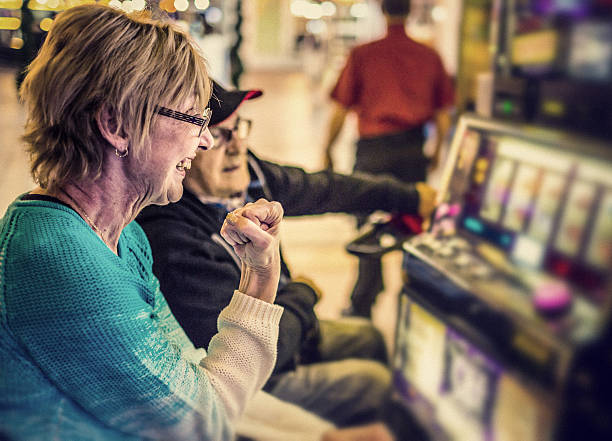
Another significant factor that contributes to the attraction of casinos is the social environment they create. Casinos are often bustling places filled with people, laughter, and conversations, which can be incredibly appealing. Engaging with others in various games creates a sense of community and belonging, allowing individuals to bond over shared experiences and the thrill of the game.
This social interaction can be beneficial, particularly for individuals who may feel isolated or lonely. The atmosphere of a casino provides an opportunity for social engagement, where friendships can be formed, and shared excitement can enhance the overall experience of gambling.
Cognitive Biases and Gambling
Cognitive biases play a crucial role in why people are drawn to gambling. One of the most prevalent biases is the illusion of control, where individuals believe they can influence outcomes based on their choices or strategies. This misconception can lead to overconfidence in one’s abilities, encouraging further participation in gambling activities despite unfavorable odds.
Additionally, the gambler’s fallacy—the belief that past events influence future outcomes—can also contribute to this attraction. For example, if a player sees a series of losses, they may feel that a win is “due,” which can further encourage them to continue playing. These cognitive distortions create a compelling psychological environment that fuels gambling behavior.
The Design of Casinos
The physical layout and design of casinos are meticulously crafted to enhance the gambling experience. From the vibrant colors and flashy lights to the absence of clocks and windows, these elements are strategically employed to create an immersive environment. This design keeps players engaged for longer periods, minimizing their awareness of time and external factors.
Moreover, the arrangement of games and machines is intentionally chaotic, designed to encourage exploration and discovery. This sense of adventure can be highly appealing, as it invites individuals to try their luck with different games and machines, thereby increasing the likelihood of prolonged gambling sessions.
Join Us in Understanding Gambling Psychology
As we explore the intricate psychology behind gambling, our website aims to provide valuable insights and resources. Understanding the factors that draw people to casinos can help demystify the gambling experience and inform strategies for responsible gaming. We believe that awareness is key to making informed choices regarding gambling.
Join us on this journey as we delve deeper into the psychological aspects of gambling, sharing knowledge and fostering discussions that can lead to healthier attitudes towards gaming and entertainment. Together, we can promote a more comprehensive understanding of the gambling landscape.